
Cameron Buckner is a Professor and the Donald F. Cronin Chair in the Humanities at the University of Florida. His research primarily concerns philosophical issues which arise in the study of non-human minds, especially animal cognition and artificial intelligence. He began his academic career in logic-based artificial intelligence. This research inspired an interest into the relationship between classical models of reasoning and the (usually very different) ways that humans and animals actually solve problems, which led him to the discipline of philosophy. He received a PhD in Philosophy at Indiana University in 2011 and an Alexander von Humboldt Postdoctoral Fellowship at Ruhr-University Bochum from 2011 to 2013. Recent representative publications include “Empiricism without Magic: Transformational Abstraction in Deep Convolutional Neural Networks” (2018, Synthese), and “Rational Inference: The Lowest Bounds” (2017, Philosophy and Phenomenological Research) – the latter of which won the American Philosophical Association’s Article Prize for the period of 2016–2018. In 2024 he published a book with Oxford University Press that uses empiricist philosophy of mind (from figures such as Aristotle, Ibn Sina, John Locke, David Hume, William James, and Sophie de Grouchy) to understand recent advances in deep-neural-network-based artificial intelligence.
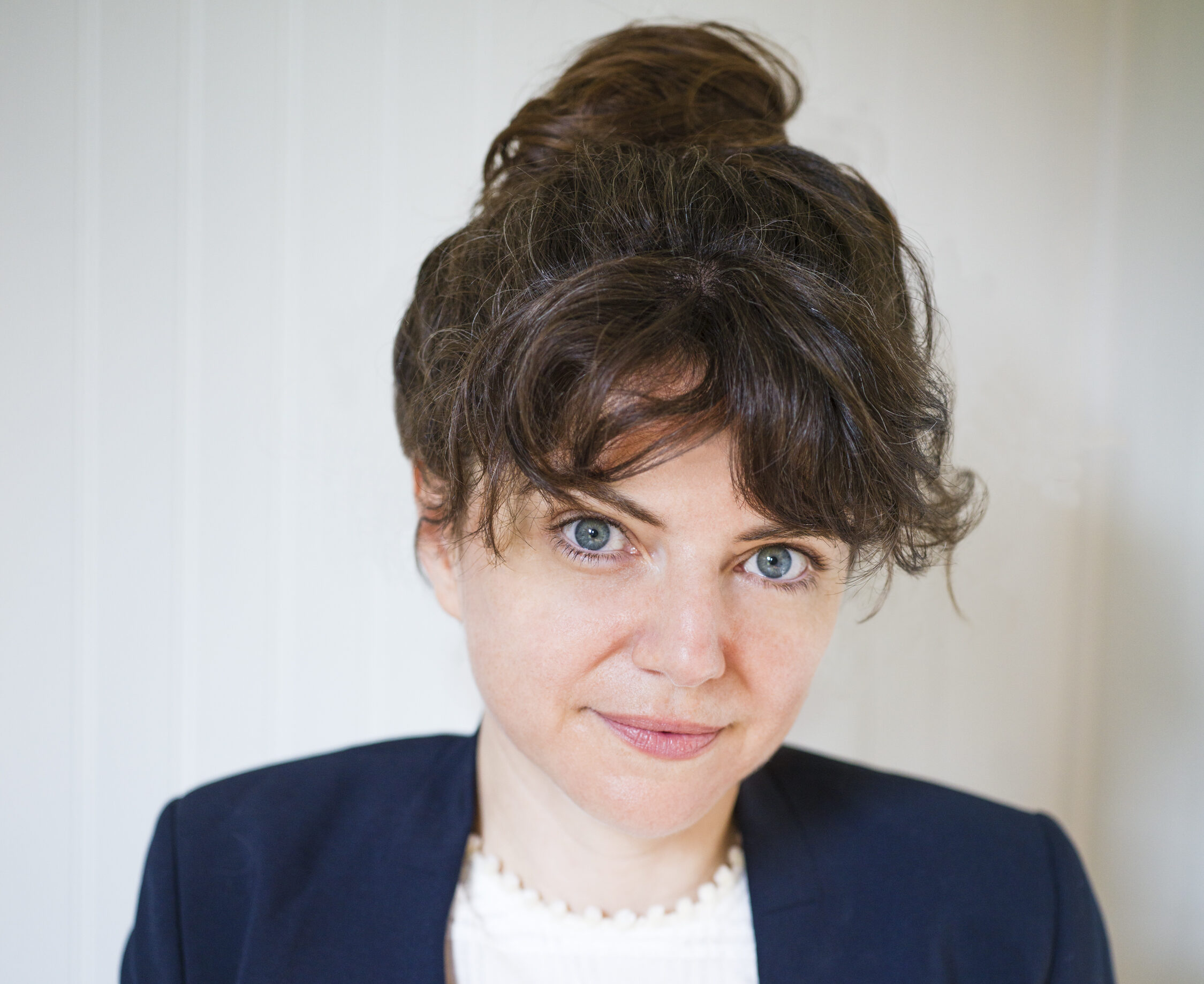
Kathryn Tabb teaches at Bard College’s Philosophy Program, with affiliations in Human Rights and Experimental Humanities, and co-directs its First Year Seminar. She has degrees in History and Philosophy of Science from the University of Chicago, the University of Cambridge, and the University of Pittsburgh, as well as a Master’s Degree in Bioethics and Health Law, also from Pittsburgh. Her research focuses on the history and philosophy of psychiatry. She is writing a book on John Locke’s theory of irrationality, and publishes in philosophy, psychology, and psychiatry journals on topics such as psychiatric nosology, the history of psychiatry, behavior genetics, and moral psychology.

Michael Jacovides received a Ph.D. in philosophy from UCLA in 1997. He came to Purdue in 2001 after having held one-year jobs at Yale, University of Massachusetts, and University of Virginia. He is the author of Locke’s Image of the World and various philosophical papers, mostly on the British Empiricists. He is currently working on a book on Hume on laws and causes, a project for which he received an encouraging grant from the National Endowment for the Humanities. Much of his research is focused on the connection between the history of science and the history of philosophy in the early modern period, but he has wide philosophical interests.

Mike Dacey is Associated Professor of Philosophy at Bates College in Maine, USA. He received his PhD from the Philosophy-Neuroscience-Psychology Program at Washington University in St. Louis. He works on several issues in philosophy of cognitive science, especially animal minds and the history of psychology (associationism in particular). His book, Seven Challenges for the Science of Animal Minds was published by Oxford University Press in 2025.
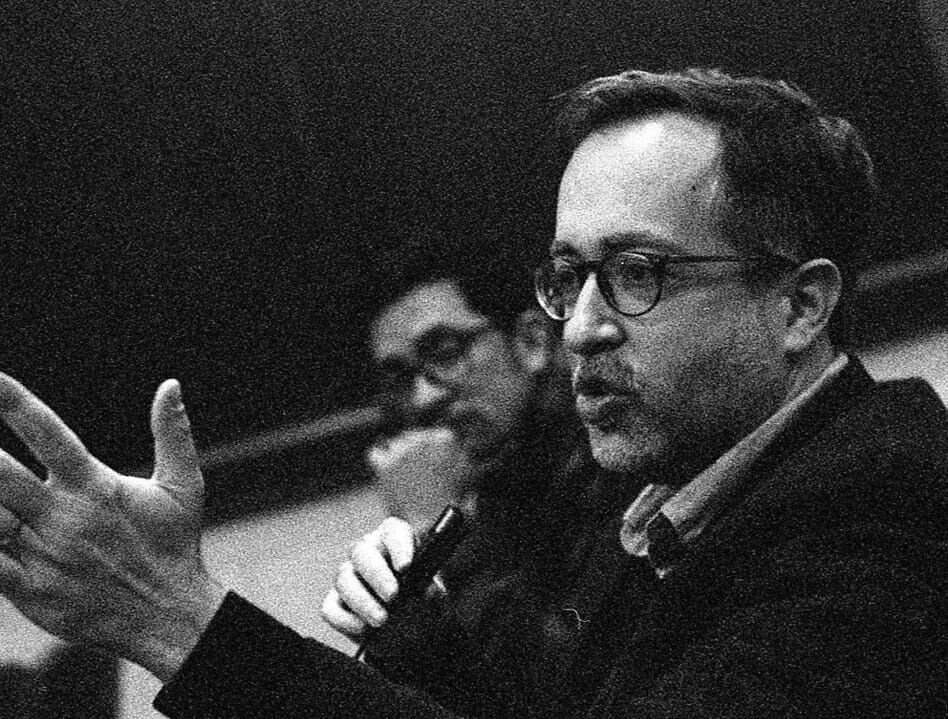
Nir Ben-Moshe is Associate Professor in the Department of Philosophy and Health Innovation Professor in the Carle Illinois College of Medicine at the University of Illinois Urbana-Champaign. He is also the Co-Director of the Illinois Forum on Human Flourishing in a Digital Age. Ben-Moshe’s research falls into two areas. The first area is biomedical ethics. The second area lies at the intersection of contemporary moral philosophy and the moral philosophy of David Hume and Adam Smith. It is in connection with the latter two figures that Ben-Moshe is particularly interested in associationism.
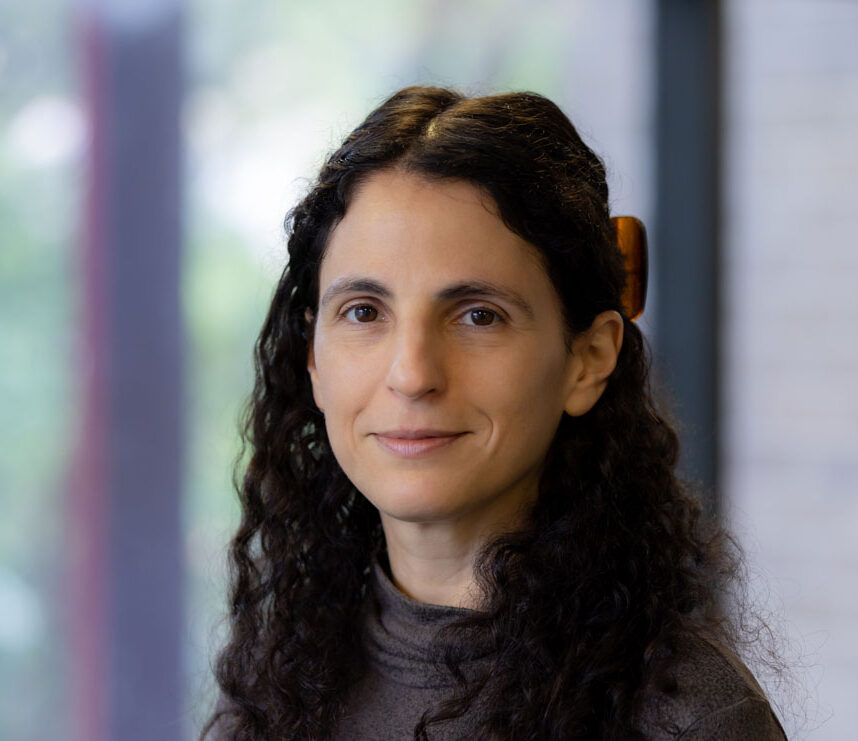
Talia Morag is a Senior Lecturer of Philosophy at the Australian Catholic University. She has been working on a new associationist psychology especially as it bears upon our affective lives (emotions, moods, biases, sexual desire), drawing insights from Freud, Hume, and mindfulness meditation. Relatedly, she works on ethics and philosophical psychology, especially psychoanalysis, liberal naturalism, empiricism, emotion, social psychology, moral psychology and the philosophy of TV. Author of Emotion, Imagination, and the Limits of Reason (Routledge, 2016), & editor of Sartre and Analytic Philosophy (Routledge, 2023, 2025).
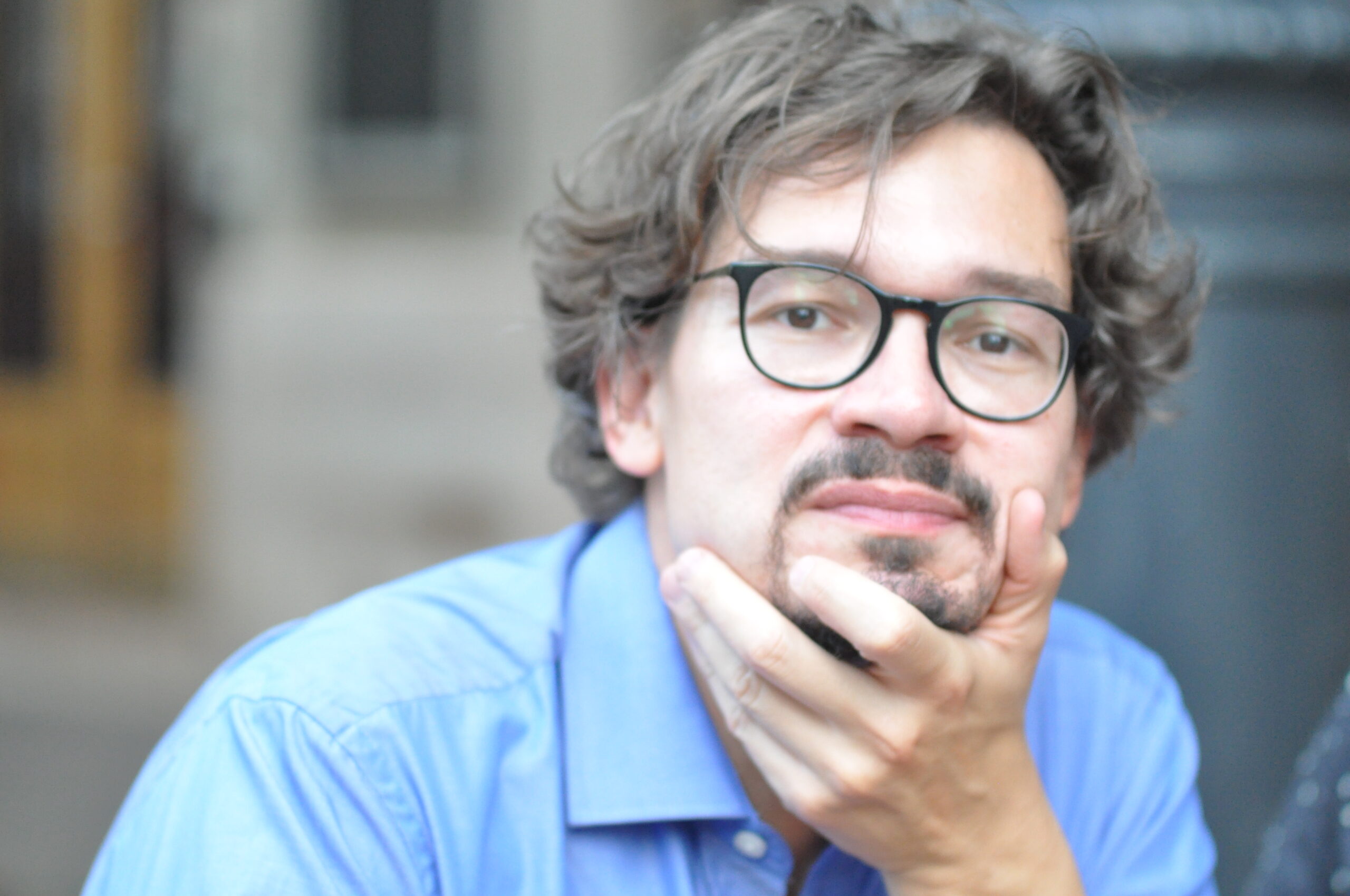
Tamás Demeter is Professor of Philosophy at Corvinus University of Budapest and Senior Fellow at Institute of Philosophy, ELTE RCH. He published widely on Hume’s science of mind, including the scope and limits of Humean association, and on the philosophy of psychology arguing for an affective version of fictionalism about folk psychology. He is author of David Hume and the Culture of Scottish Newtonianism (Brill, 2016), and co-author of Mental Fictionalism (CUP, 2016). He is member of the Executive Committee of the International Hume Society and editorial board member of Journal of Scottish Philosophy.
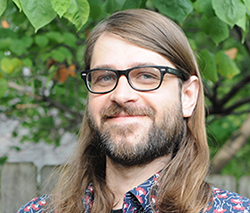
Trip Glazer is an Associate Professor of Philosophy Department at the University of Dayton. He is also the Chair of the Philosophy Department. He works on emotion, emotional expression, and emotion regulation. His recent book, Darwin’s Philosophy of Emotion (Cambridge, 2026), examines Charles Darwin’s engagement with associationist philosophy and argues that Darwin advances an associationist theory of emotion in his book, The Expression of the Emotions in Man and Animals (1872).
Tyler Delmore